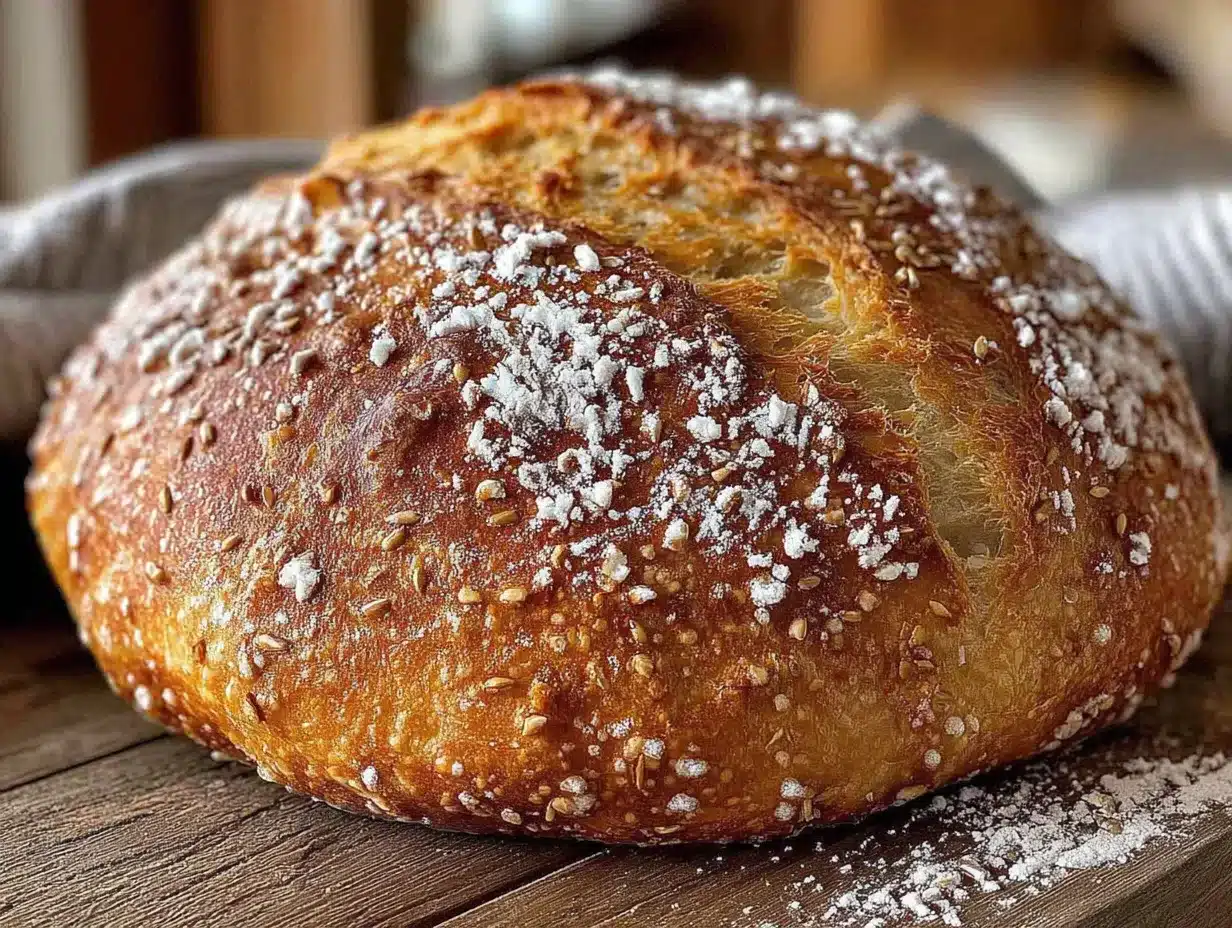
“You put pumpkin in sourdough?” My neighbor leaned over my counter, skeptical, as I pulled a deeply orange, crackling loaf from the oven. I just smiled and slid a slice her way, still warm and butter-melting. That was the moment this bread became more than just a way to use up discard—it became a conversation starter.
Honestly, I wasn’t sure it would work at first. The idea felt a little gimmicky. Pumpkin puree is heavy, sourdough discard is tangy, and I was trying to combine them in a single bowl without any complicated steps. But the first bite? That soft, pillowy crumb with just a hint of autumn spice and that signature sour tang? I knew I had stumbled onto something special.
This isn’t your typical pumpkin bread. It’s not a sweet, cake-like loaf. It’s a proper bread with a tender crumb and a subtle, earthy sweetness from the pumpkin. The sourdough discard gives it a complexity that makes it perfect for everything from morning toast to a side for soup. It’s the kind of recipe that makes you feel clever, even though it’s almost embarrassingly easy.
Why You’ll Love This Recipe
I’ve tested this recipe at least six times to get it just right. The first loaf was too dense, the second was too wet. But the third? That was the one. Here’s why I think you’ll love it as much as I do:
- One Bowl, No Stand Mixer: You just need a bowl and a spoon. No special equipment, no dough hook, no fuss.
- Uses Up Sourdough Discard: This is the perfect way to use that jar of discard sitting in your fridge. No more guilt over throwing it away.
- Quick and Easy: It comes together in about 10 minutes of active prep. The oven does the rest.
- Perfectly Balanced Flavor: The pumpkin keeps the bread incredibly moist while the sourdough adds a gentle tang that cuts through the sweetness. It’s not a sweet bread, but it has a natural, warm sweetness from the pumpkin.
- Crowd-Pleaser: I’ve brought this to potlucks and brunches, and it always disappears. People are surprised by the flavor and ask for the recipe every time.
This recipe is different because it treats pumpkin as a flavor-enhancer, not just a gimmick. It’s a truly versatile loaf that works for breakfast, a snack, or alongside a hearty meal. It’s comfort food reimagined—healthier, faster, and with the same soul-soothing satisfaction.
What Ingredients You Will Need
This recipe uses simple, wholesome ingredients to deliver bold flavor and satisfying texture without the fuss. You probably have most of these in your pantry already.
- All-Purpose Flour (2 cups / 240g): The backbone of the bread. I use standard all-purpose flour for the best texture. Spoon it into your measuring cup and level it off with a knife for accuracy.
- Pumpkin Puree (1 cup / 245g): Make sure you’re using pure pumpkin puree, not pumpkin pie filling. I like Libby’s for its consistent texture, but any brand works. The puree adds moisture and a subtle sweetness.
- Sourdough Discard (1 cup / 240g): This is the star of the show. Use unfed, cold discard straight from the fridge. It doesn’t need to be active or bubbly. The flavor will be slightly different depending on how long your discard has been sitting, but that’s part of the charm.
- Milk (1/2 cup / 120ml): Whole milk works best for a tender crumb, but you can use 2% or a dairy-free alternative like oat milk. (Use unsweetened oat milk if you go that route.)
- Large Egg (1): The egg helps bind everything together and adds richness. Let it come to room temperature for about 15 minutes before using.
- Melted Butter (1/4 cup / 4 tbsp / 55g): I prefer unsalted butter so I can control the salt level. Melt it and let it cool slightly before adding it to the wet ingredients so it doesn’t scramble the egg.
- Brown Sugar (1/4 cup / 50g): Packed light or dark brown sugar works. It adds a touch of sweetness and a little molasses flavor that pairs beautifully with the pumpkin and sourdough.
- Salt (1 tsp): Fine sea salt or table salt. Don’t skip it—it balances the flavors.
- Baking Soda (1/2 tsp): This is the leavening agent. The acid in the sourdough discard reacts with the baking soda to give the bread its rise.
- Cinnamon (1 tsp): A warm, essential spice. I’ve tried this with a pumpkin pie spice blend, but I prefer just cinnamon to let the pumpkin and sourdough shine.
Equipment Needed
The beauty of this recipe is how little you need. Here’s what you’ll want on hand:
- Large Mixing Bowl: Any big bowl will do. I use a standard ceramic mixing bowl.
- Whisk or Wooden Spoon: A whisk is great for breaking up the pumpkin puree, but a wooden spoon works perfectly too.
- 9×5-Inch Loaf Pan: This is the standard size. If you use a different size, your baking time will change. I love my classic metal loaf pan for even browning.
- Parchment Paper: Lining the pan makes cleanup a breeze and ensures the loaf lifts out easily. Don’t skip this.
- Measuring Cups and Spoons: For accuracy. A kitchen scale is even better if you have one.
That’s it. No mixer, no proofing basket, no fancy tools. If you don’t have a loaf pan, you can even bake this in a 9-inch round cake pan or a cast iron skillet—just adjust the baking time by checking for doneness earlier.
Preparation Method
This is where the magic happens. Follow these steps, and you’ll have a beautiful loaf in no time.
- Preheat and Prep. Preheat your oven to 350°F (175°C). Line your 9×5-inch loaf pan with parchment paper, leaving some overhang on the long sides. This creates handles for lifting the bread out later.
- Whisk the Wet Ingredients. In your large mixing bowl, combine the pumpkin puree, sourdough discard, milk, egg, and melted butter. Whisk until the mixture is completely smooth and uniform. It should be a beautiful, deep orange color. Don’t worry if it looks a little thin—that’s normal.
- Add the Dry Ingredients. Add the brown sugar, salt, baking soda, and cinnamon to the bowl. Whisk again until everything is well combined. The mixture will start to smell amazing at this point.
- Fold in the Flour. Add the all-purpose flour to the bowl. Use a rubber spatula or wooden spoon to fold the flour into the wet ingredients. Stir gently until just combined. A few lumps are okay—overmixing will make the bread tough. The batter will be thick and slightly sticky, like a quick bread batter.
- Pour and Smooth. Scrape the batter into your prepared loaf pan. Use the spatula to spread it evenly into the corners and smooth the top. It should look rustic and slightly bumpy.
- Bake. Place the pan in the preheated oven and bake for 50-60 minutes. The bread is done when a toothpick inserted into the center comes out clean or with just a few moist crumbs. The top should be a deep golden brown and spring back when gently pressed.
- Cool. Let the bread cool in the pan on a wire rack for about 10 minutes. Then, use the parchment paper handles to lift it out of the pan and transfer it directly to the wire rack to cool completely. This is the hardest part—waiting. But slicing into a warm loaf can make it gummy, so be patient.
Pro Tip: If the top of your bread is browning too quickly but the center isn’t done yet, loosely tent a piece of aluminum foil over the top of the pan for the last 15-20 minutes of baking.
Cooking Tips & Techniques
I’ve made this bread more times than I care to count, and I’ve learned a few things along the way. Here are my best tips for success:
- Don’t Overmix. This is the number one mistake people make with quick breads. Mix until the flour is just incorporated. Overmixing develops gluten, which will make your bread tough and dense instead of tender.
- Use Cold Discard. Your sourdough discard doesn’t need to be at room temperature. In fact, using it straight from the fridge is perfectly fine. The flavor will be slightly more tangy, which is a good thing.
- Check Your Oven Temperature. Ovens can be finicky. An oven thermometer is a cheap tool that can save your bake. If your bread is browning too fast, your oven might be running hot.
- Let It Cool Completely. I know, I know. The smell is intoxicating. But slicing into warm bread releases steam and can make the crumb gummy. Let it cool for at least an hour on the wire rack for the best texture.
- Adjust for Humidity. If you live in a very humid climate, you might need to add an extra tablespoon or two of flour. The batter should be thick but scoopable, not runny.
I once forgot the baking soda in a batch. The bread came out flat and dense as a hockey puck. It was a sad day, but I learned my lesson. Double-check your ingredients before you start!
Variations & Adaptations
This recipe is a fantastic base for experimentation. Here are a few ways I’ve adapted it:
- Chocolate Chip Pumpkin Sourdough: Fold in 3/4 cup of semi-sweet or dark chocolate chips with the flour. The chocolate and pumpkin are a dream team.
- Spiced Pumpkin Sourdough: Add 1/2 teaspoon of ground ginger, 1/4 teaspoon of nutmeg, and a pinch of cloves along with the cinnamon for a more complex spice profile. This is perfect for fall baking.
- Gluten-Free Version: I’ve tested this with a good quality 1:1 gluten-free all-purpose flour blend (like Bob’s Red Mill), and it works surprisingly well. The texture is slightly more crumbly, but the flavor is still excellent. Check the loaf for doneness around the 45-minute mark.
- Nutty Pumpkin Sourdough: Fold in 1/2 cup of toasted, chopped pecans or walnuts. The crunch adds a wonderful texture contrast.
- Dairy-Free Adaptation: Use melted coconut oil or a neutral vegetable oil instead of butter, and use unsweetened oat milk or almond milk. The bread will be slightly less rich but still delicious.
My personal favorite variation is the chocolate chip version. I made it for a Halloween party last year, and it was gone before the punch bowl was empty. It’s a fun twist that feels like a treat but isn’t overly sweet.
Serving & Storage Suggestions
This bread is incredibly versatile. Here’s how I like to serve and store it:
- Serving Temperature: It’s wonderful at room temperature, but I love it lightly toasted. A slice with a pat of salted butter melting into the warm crumb is pure comfort.
- What to Serve With It: It’s perfect for breakfast with a cup of coffee or tea. It also makes a fantastic side for a bowl of soup or chili. For a sweet treat, try it with a dollop of whipped cream or a drizzle of honey.
- Storage: Store the cooled bread tightly wrapped in plastic wrap or in an airtight container at room temperature for up to 3 days. The pumpkin helps keep it moist.
- Freezing: This bread freezes beautifully. Slice it, wrap the slices individually in plastic wrap, and place them in a freezer-safe bag. They’ll keep for up to 3 months. Toast a slice straight from the freezer for a quick breakfast or snack.
- Flavor Development: Honestly, this bread tastes even better the day after it’s made. The flavors have time to meld, and the texture becomes even more tender. If you can wait, do it.
Nutritional Information & Benefits
While this is a treat, it does have some redeeming qualities. Here’s a rough estimate per slice (based on 10 slices):
- Calories: ~220
- Fat: 6g
- Carbohydrates: 36g
- Fiber: 2g
- Sugar: 7g
- Protein: 5g
Health Benefits: Pumpkin is packed with Vitamin A and fiber, which is great for eye health and digestion. The sourdough fermentation process can make the bread easier to digest for some people compared to traditional yeast breads. Plus, using sourdough discard means you’re reducing food waste in your kitchen—a small but meaningful win.
Dietary Note: This recipe is vegetarian. For a vegan version, use a flax egg (1 tablespoon ground flaxseed mixed with 3 tablespoons water) and your chosen dairy-free butter and milk alternatives. It is not gluten-free unless you use a certified gluten-free flour blend.
Conclusion
This Easy One-Bowl Pumpkin Sourdough Discard Bread has become a staple in my kitchen, especially during the cooler months. It solves the eternal problem of what to do with sourdough discard, it uses a seasonal ingredient in a way that feels fresh and unexpected, and it requires almost no effort. The result is a tender, flavorful loaf that’s equally at home on a breakfast table or a dinner plate.
I love that it’s not a fussy recipe. It’s the kind of bread you can throw together on a lazy Sunday morning without breaking a sweat. And the smell of pumpkin and cinnamon baking in the oven? That’s pure happiness.
I encourage you to make this your own. Add chocolate chips, throw in some nuts, or change up the spices. Cooking should be fun, and this recipe is the perfect canvas for your creativity. When you make it, I’d love to hear how it turns out. Leave a comment below or tag me in your photos—it honestly makes my day to see your bakes!
Frequently Asked Questions
Can I use active sourdough starter instead of discard?
Yes, you can. The bread will rise a little more and have a slightly less tangy flavor. You don’t need to feed it first; just use it straight from the fridge or at room temperature.
My bread is too dense. What went wrong?
This usually happens for one of three reasons: you overmixed the batter, your baking soda was old and expired, or you didn’t measure your flour correctly. Be gentle with the mixing, check the date on your baking soda, and spoon your flour into the measuring cup before leveling it off.
Can I make this into muffins?
Absolutely! Grease a 12-cup muffin tin or line it with paper liners. Divide the batter evenly among the cups (fill them about 3/4 full) and bake at 350°F (175°C) for 18-22 minutes, or until a toothpick inserted into the center comes out clean.
How do I know when the bread is fully baked?
The best test is the toothpick test. Insert a wooden toothpick or a thin skewer into the center of the loaf. If it comes out clean or with just a few moist crumbs, it’s done. If it has wet batter on it, give it another 5-10 minutes.
Can I use fresh pumpkin puree?
Yes, but you need to make sure it’s very thick. Fresh pumpkin puree often has more water content than canned, which can make your bread gummy. To fix this, strain the puree through a cheesecloth or a clean kitchen towel for an hour to remove excess liquid before using it.
Pin This Recipe!
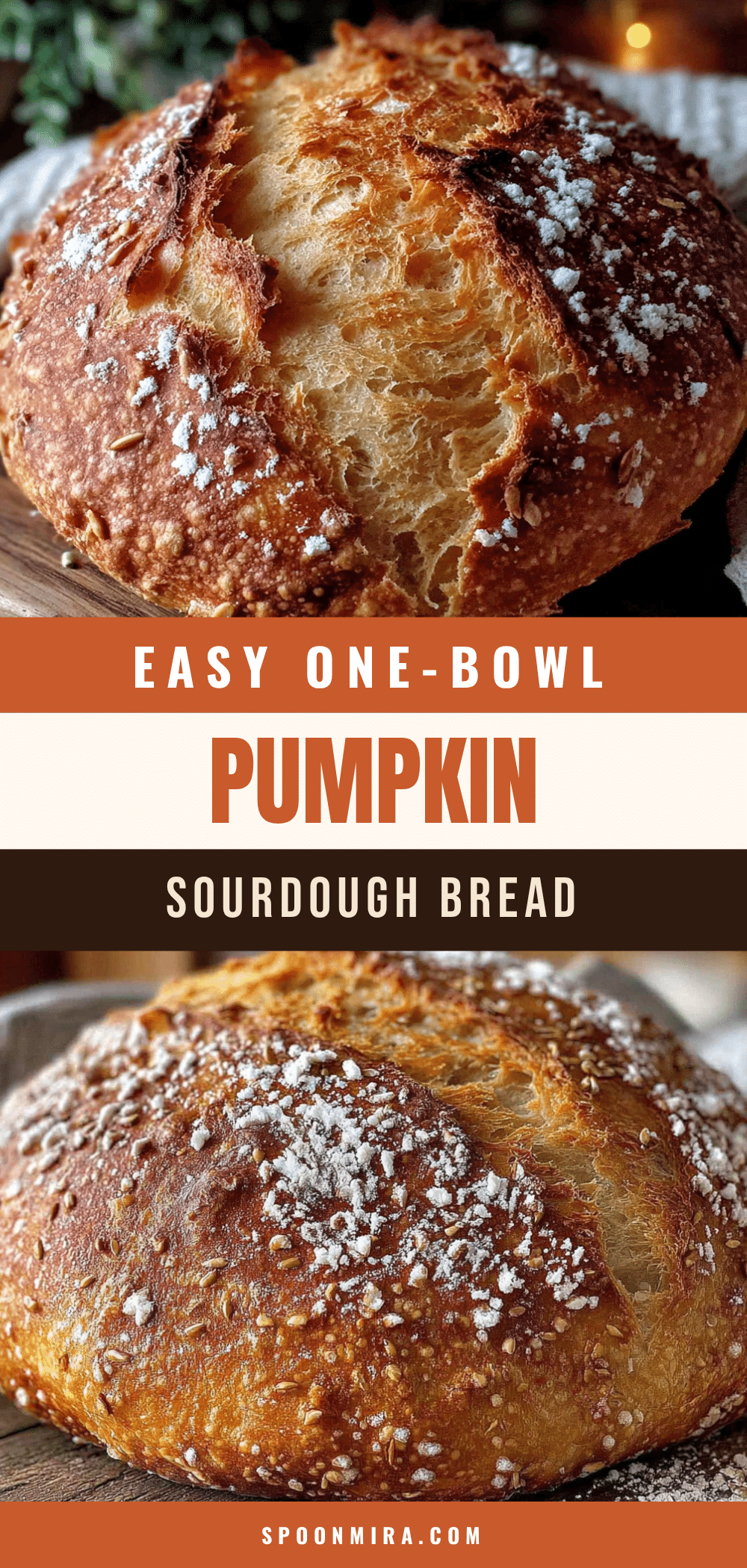
Easy One-Bowl Pumpkin Sourdough Discard Bread

A tender, savory-sweet quick bread that uses up sourdough discard and pumpkin puree for a moist, flavorful loaf with a subtle tang. Perfect for breakfast, snacks, or alongside soup.
- Prep Time: 10 minutes
- Cook Time: 55 minutes
- Total Time: 1 hour 5 minutes
- Yield: 10 servings 1x
- Category: Bread
- Cuisine: American
Ingredients
- 2 cups (240g) all-purpose flour
- 1 cup (245g) pumpkin puree (not pumpkin pie filling)
- 1 cup (240g) sourdough discard (unfed, cold)
- 1/2 cup (120ml) milk (whole milk preferred, or 2% or unsweetened oat milk)
- 1 large egg (room temperature)
- 1/4 cup (4 tbsp / 55g) unsalted butter, melted and cooled slightly
- 1/4 cup (50g) packed brown sugar (light or dark)
- 1 tsp fine sea salt or table salt
- 1/2 tsp baking soda
- 1 tsp ground cinnamon
Instructions
- Preheat oven to 350°F (175°C). Line a 9×5-inch loaf pan with parchment paper, leaving overhang on the long sides.
- In a large mixing bowl, whisk together pumpkin puree, sourdough discard, milk, egg, and melted butter until completely smooth and uniform.
- Add brown sugar, salt, baking soda, and cinnamon to the bowl. Whisk until well combined.
- Add all-purpose flour to the bowl. Fold gently with a rubber spatula or wooden spoon until just combined (a few lumps are okay; do not overmix). Batter will be thick and slightly sticky.
- Scrape batter into prepared loaf pan. Spread evenly into corners and smooth the top.
- Bake for 50-60 minutes, until a toothpick inserted into the center comes out clean or with a few moist crumbs. If top browns too quickly, tent loosely with foil for the last 15-20 minutes.
- Cool in pan on a wire rack for 10 minutes. Use parchment handles to lift bread out and transfer to wire rack to cool completely (at least 1 hour) before slicing.
Notes
Use cold, unfed sourdough discard straight from the fridge. Do not overmix the batter. Let bread cool completely before slicing to avoid a gummy texture. For a dairy-free version, use melted coconut oil or neutral vegetable oil and unsweetened oat milk or almond milk. For a gluten-free version, use a 1:1 gluten-free all-purpose flour blend and check for doneness around 45 minutes. For a vegan version, use a flax egg (1 tbsp ground flaxseed + 3 tbsp water) and dairy-free butter and milk alternatives.
Nutrition
- Serving Size: 1 slice
- Calories: 220
- Sugar: 7
- Sodium: 280
- Fat: 6
- Saturated Fat: 3
- Carbohydrates: 36
- Fiber: 2
- Protein: 5
Keywords: pumpkin sourdough discard bread, easy pumpkin bread, sourdough discard recipe, one bowl bread, pumpkin sourdough, fall baking, quick bread