My sister handed me a glass of something dark red and said, “Just try it. I know you hate sangria, but this is different.” I started to explain that I didn’t hate sangria, I just thought most versions were watery, overly sweet fruit juice pretending to be a cocktail. Then I stopped. She had this look on her face — the one she gets when she knows she’s right about something I’ve been stubborn about. So I took a sip. And honestly? I had to sit down for a second.
That was two winters ago, on a Tuesday night that had started with me complaining about the cold and ended with me asking for the recipe three times. She laughed at me — deserved it, honestly — and wrote it on a napkin. I still have that napkin tucked in my cookbook. It was the first time I realized that sangria could actually taste like winter. Like sitting by the fire with something warm in your soul, even if the drink itself is cold. The pomegranate seeds floated around like little jewels, and the apple cider gave it this cozy, spiced backbone that made me forget about the snow piling up outside.
I’ve made this recipe at least thirty times since that night. Every holiday gathering, every quiet Sunday when the house feels too still, every time I need to remind myself that winter doesn’t have to be all gray skies and freezing wind. It’s become my go-to for family dinners because it feels fancy without being fussy, and it makes people slow down and actually talk to each other. Maybe you’ve been there — looking for a drink that feels special but doesn’t require a bartending degree to pull off. This is that drink. I mean it.
Why You’ll Love This Recipe
This cozy winter sangria with pomegranate and apple cider has earned a permanent spot in my rotation, and here is why I think it will earn one in yours too. I have tested this recipe through three holiday seasons, two New Year’s Eve parties, and one very cold birthday gathering where everyone asked for seconds. It passed every single test with flying colors.
- Budget-Friendly Ingredients : No expensive liqueurs or hard-to-find fruits here. You likely already have cinnamon sticks and honey in your pantry. A good bottle of red wine and some apple cider are all you need to start, and both are easy on the wallet.
- Comes Together in Minutes : Seriously, the active prep time is under ten minutes. Chop an apple, open a pomegranate, pour everything into a pitcher. That is it. The magic happens while it sits in the fridge.
- Picky Eater Approved : My kids, who usually turn up their noses at anything that looks like it came from a fancy restaurant, fight over the fruit-soaked bits at the bottom of the pitcher. The sweetness from the apple cider and honey makes it approachable for everyone.
- Perfect for Family Gatherings : This makes a big batch — enough for a crowd — and it actually tastes better the next day. Make it the night before your holiday dinner and cross one thing off your to-do list.
- Reheats Beautifully as Mocktail Base : If you want to serve a warm, non-alcoholic version for the kids or designated drivers, just heat the strained fruit mixture with extra apple cider. It transforms into a cozy winter sipper that costs pennies to make.
What makes this recipe different from every other sangria I have tried is the way the pomegranate seeds soak up the spiced cider. They plump up and get this burst of flavor that surprises you with every sip. It is not just another fruit-filled wine — it is a proper winter experience in a glass. The kind that makes you close your eyes after the first taste and forget about the cold for a minute. That is why I keep coming back to it, and why I think you will too.
What Ingredients You Will Need
This recipe uses simple, honest ingredients that work together to create something greater than the sum of their parts. Most of these are pantry staples or easy winter produce, so you probably already have half of them on hand.
- 1 bottle (750 ml) dry red wine — I prefer a medium-bodied red like Merlot or Zinfandel. They have enough fruitiness to play well with the apple cider without being too heavy. A Spanish Tempranillo works beautifully too if you want to keep it traditional. Avoid anything too tannic or oaky — it will clash with the other flavors.
- 2 cups apple cider — Not apple juice. Apple cider has that unfiltered, spiced depth that makes this recipe sing. Look for fresh cider from a local orchard if you can find it. The flavor difference is noticeable.
- 1/2 cup pomegranate juice — Pure pomegranate juice, not a blend. I like the POM brand for consistency, but any 100% juice works. This adds that gorgeous ruby color and a tartness that balances the sweetness.
- 1/4 cup honey — Local honey is my preference. It dissolves easily into the warm cider and adds a floral sweetness that granulated sugar just cannot match. If your honey is very thick, warm it slightly before adding.
- 1 orange, sliced into rounds — Use a mandoline if you have one for even, thin slices. The oils from the peel infuse the sangria with brightness as it sits.
- 1 apple, cored and thinly sliced — Honeycrisp or Fuji hold up well without getting mushy. Granny Smith adds a nice tart contrast if you prefer less sweetness.
- 1 cup fresh pomegranate seeds — About one large pomegranate. To seed it easily, cut it in half, hold it cut-side down over a bowl, and whack the back with a wooden spoon. The seeds fall right out with minimal mess.
- 3 cinnamon sticks — Whole cinnamon sticks, not ground. They infuse slowly and add that unmistakable winter warmth without making the drink gritty.
- 3 star anise pods — Optional but highly recommended. They add a subtle licorice note that makes the sangria taste complex and sophisticated. I never skip these.
- 1/2 teaspoon whole cloves — Just a few cloves go a long way. They add depth without overwhelming the other flavors. Tie them in a cheesecloth bundle if you want to fish them out easily later.
- Ice cubes or apple cider ice cubes — Regular ice is fine, but freezing apple cider into cubes means your drink won’t get watered down as the ice melts. Genius move for any party.
Equipment Needed
You do not need a fully stocked bar to make this sangria. Most of these tools are probably already in your kitchen. Here is what I use and what I have learned along the way.
- Large pitcher (at least 2 quarts) — Glass is best because it shows off the beautiful colors. I picked up a simple one at a thrift store for three dollars, and it works perfectly. A large mason jar or punch bowl also does the job.
- Wooden spoon or muddler — For gently pressing the fruit to release its juices without breaking it apart. A regular spoon works fine if that is all you have.
- Small saucepan — To warm the apple cider and dissolve the honey and spices. Any small pot will do. I use my one-quart saucepan that usually makes oatmeal.
- Cheesecloth or fine-mesh strainer — If you use whole cloves, you will want to strain them out before serving. A fine-mesh strainer works great. Cheesecloth is handy if you want to bundle the spices for easy removal.
- Cutting board and sharp knife — A good chef’s knife makes quick work of the apple and orange slices. Keep your knife sharp to avoid crushing the fruit.
- Pomegranate seeding tool (optional) — I just use my hands and a wooden spoon, but they sell little gadgets that catch the seeds. Not necessary, but nice if you make a lot of pomegranate recipes.
Preparation Method
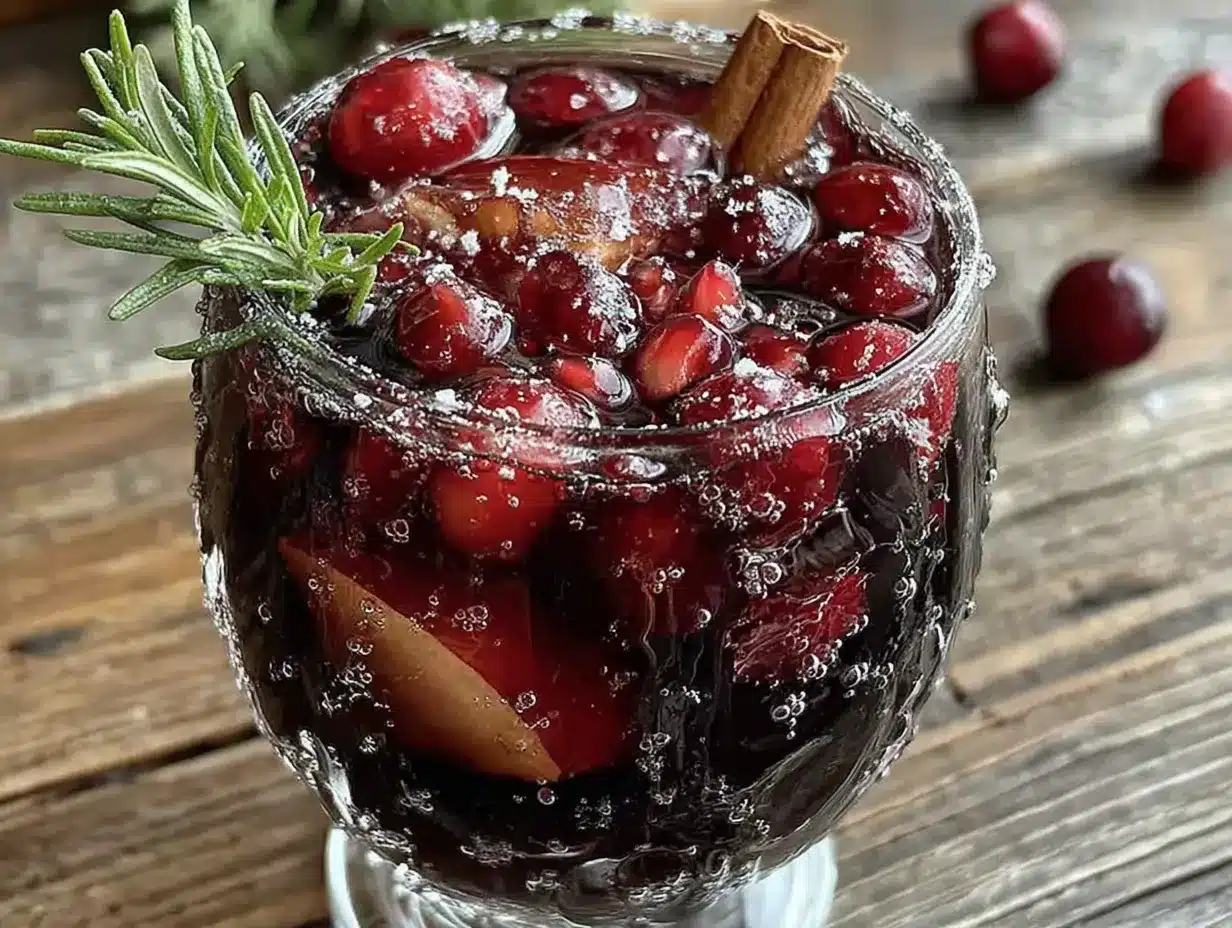
Making this cozy winter sangria is almost embarrassingly easy. The hardest part is waiting for it to chill. Here is exactly how I do it, with all the little details I have learned from making it dozens of times.
- Warm the cider and spices — Pour the 2 cups of apple cider into a small saucepan. Add the honey, cinnamon sticks, star anise, and whole cloves. Warm over medium-low heat, stirring occasionally, until the honey dissolves completely. Do not let it boil — you just want it warm enough to melt the honey and wake up the spices. This takes about 5 minutes. The smell that fills your kitchen at this point is absolutely ridiculous. In the best way.
- Let the spices steep — Once the honey is dissolved, remove the saucepan from the heat. Let the spiced cider sit for 10 to 15 minutes. This allows the cinnamon, star anise, and cloves to infuse their flavors deeply into the cider. If you are in a hurry, you can skip this step, but the sangria will have a more subtle spice flavor. I never skip it when I have the time.
- Strain the spiced cider — Pour the warm cider through a fine-mesh strainer into a heatproof bowl or directly into your pitcher. Discard the cinnamon sticks and star anise (or save the cinnamon sticks for garnish — they look pretty in the pitcher). If you used whole cloves, make sure you catch them all. Nobody wants to bite into a clove.
- Let the cider cool — Allow the strained cider to cool to room temperature. This usually takes about 20 minutes. You can speed this up by placing the bowl in the fridge, but do not add the wine until the cider is cool. Warm cider will cook the wine and ruin the texture.
- Combine the liquids — Once the cider is cool, pour the bottle of red wine into the pitcher. Add the 1/2 cup of pomegranate juice. Stir gently with a wooden spoon to combine. The color at this stage is stunning — deep ruby with hints of amber from the cider.
- Add the fruit — Add the orange slices, apple slices, and fresh pomegranate seeds to the pitcher. Give everything a gentle stir to coat the fruit in the liquid. Do not press too hard or you will break the fruit into mush. A light hand here makes a difference in presentation.
- Chill thoroughly — Cover the pitcher with plastic wrap or a lid and place it in the refrigerator. Let it chill for at least 4 hours, but overnight is even better. The fruit will absorb the flavors and release its own juices, creating a more harmonious drink. I have made this the morning of a party and it was good, but the overnight version is noticeably better. Trust me on this.
- Serve over ice — When you are ready to serve, fill glasses with ice cubes (or apple cider ice cubes if you planned ahead). Pour the sangria over the ice, making sure each glass gets some fruit. The pomegranate seeds look like little gems floating in the glass. Garnish with a fresh cinnamon stick or an extra orange slice if you want to get fancy.
Cooking Tips & Techniques
After making this sangria more times than I can count, I have picked up a few tricks that make the difference between good and unforgettable. Here are the things I wish someone had told me the first time.
Do not skip the steeping step. I made this mistake once when I was rushing for a party. I warmed the cider, added the spices, and immediately strained it into the wine. The result was fine, but it lacked the deep, layered spice flavor that makes this recipe special. Those spices need time to infuse. Ten minutes of patience transforms the whole drink.
Use a dry red wine. I know it is tempting to grab something sweet, especially if you are serving a crowd that does not usually drink wine. But sweet wine plus sweet cider plus honey equals a drink that is cloying and heavy. A dry red provides the necessary backbone. The fruit and honey will add plenty of sweetness. I learned this the hard way after serving a batch that tasted like liquid candy. My guests were polite, but nobody finished their glass.
Make apple cider ice cubes. This is my favorite hack. Pour leftover apple cider into an ice cube tray and freeze overnight. When you serve the sangria, use these cubes instead of regular ice. They keep the drink cold without diluting it. Plus, as they melt, they add more apple flavor to the sangria. It is a small step that makes a huge difference.
Let the fruit soak overnight. The fruit absorbs the wine and spices as it sits, becoming almost like a boozy fruit compote by the next day. Some people eat the fruit after finishing their drink — I am one of those people. The orange slices become candied and delicious. The apple slices soften and taste like spiced wine. Do not throw that fruit away.
Taste before serving. Flavors change as the sangria chills. The honey may settle at the bottom, so give it a gentle stir before pouring. Taste a small sip and adjust if needed. Sometimes I add an extra splash of pomegranate juice if it needs more tartness, or a drizzle more honey if it needs sweetness. Cooking is about adjusting, not following rules blindly.
Variations & Adaptations
This recipe is forgiving and adaptable. Here are some ways I have tweaked it for different occasions, diets, and cravings.
- Non-Alcoholic Version — Replace the red wine with an equal amount of unsweetened pomegranate juice or a high-quality grape juice. The drink will be sweeter, so reduce or omit the honey. Let it chill overnight just like the alcoholic version. My kids love this for holiday dinners, and it makes them feel included in the fancy drink fun.
- Spiced Rum Twist — Swap the red wine for 2 cups of spiced rum and increase the apple cider to 3 cups. This creates a stronger, warmer cocktail that tastes like winter in a glass. I made this for a New Year’s Eve party and it disappeared faster than the wine version. Just be careful — it goes down easy and packs a punch.
- Dried Fruit Variation — If fresh pomegranates are out of season, use dried pomegranate seeds or dried cranberries instead. They rehydrate in the liquid and add a chewy texture. Dried apple rings also work beautifully and look gorgeous floating in the pitcher.
- Herbal Infusion — Add a few sprigs of fresh rosemary or thyme to the pitcher before chilling. The herbal notes cut through the sweetness and add an unexpected layer of complexity. I tried this on a whim one afternoon and it became my favorite version for adult-only gatherings.
- Sparkling Sangria — For a fizzy version, replace half the red wine with sparkling apple cider or ginger beer. Add the sparkling liquid just before serving to preserve the bubbles. This is perfect for celebrations where you want something festive and fun.
Serving & Storage Suggestions
This sangria is best served cold, straight from the fridge, over ice. The presentation matters almost as much as the flavor, so take an extra minute to make it look pretty.
Serving Temperature — Serve well-chilled, but not icy. If it sits in the fridge too long and gets too cold, let it sit at room temperature for 10 minutes before serving. The flavors open up as it warms slightly. I have found that the perfect serving temperature is just above refrigerator cold — around 40 to 45 degrees Fahrenheit.
Presentation Tips — Use clear glassware to show off the beautiful ruby color and floating fruit. A simple wine glass or a short tumbler works perfectly. Add a fresh cinnamon stick to each glass for a rustic touch. If you have star anise left over, float one in each glass. It looks stunning and smells amazing.
Complementary Dishes — This sangria pairs beautifully with roasted meats, sharp cheeses, and anything with warm spices. I serve it alongside a cheese board with aged cheddar and manchego, or with a simple roast chicken dinner. It also works as a dessert drink alongside apple pie or gingerbread cookies. The sweetness level is just right to complement without competing.
Storage Instructions — Store leftover sangria in a sealed container in the refrigerator for up to 3 days. The fruit will continue to infuse, so the flavor actually improves on day two. By day three, the fruit starts to break down, so it is best to strain out the fruit and serve the liquid alone after that point. Do not freeze the sangria — the texture changes and the fruit becomes mushy.
Reheating for Mocktail Version — If you want to serve a warm version, strain out the fruit and heat the liquid gently in a saucepan. Do not boil. Serve in mugs with a fresh cinnamon stick. This is my favorite way to use up leftovers on a cold afternoon.
Nutritional Information & Benefits
I am not a nutritionist, but I have looked into the benefits of the ingredients in this sangria, and honestly, it is not as indulgent as you might think. Here is a rough estimate per 6-ounce serving.
- Calories : Approximately 180-200 calories per serving, depending on the wine and honey used.
- Carbohydrates : Around 22-25 grams, mostly from the natural sugars in the fruit and cider.
- Alcohol Content : Roughly 8-10% ABV, depending on the wine. This is lighter than a glass of straight wine, so it is easy to sip slowly.
- Antioxidants : Pomegranates are packed with antioxidants called punicalagins, which are great for heart health. Red wine also contains resveratrol, another powerful antioxidant. You are basically drinking a health tonic. Sort of.
- Vitamin C : The orange and apple slices contribute a small amount of vitamin C, which is always welcome during cold and flu season.
- Allergen Notes : This recipe is naturally gluten-free, dairy-free, and vegan if you use maple syrup instead of honey. Check your wine label if you have sulfite sensitivities, as some wines contain added sulfites.
I like to think of this sangria as a treat that also does a little good for you. It is not health food, but it is made with real, whole ingredients, and that counts for something in my book.
Conclusion
This cozy winter sangria with pomegranate and apple cider has become more than just a recipe in my house. It is the drink I reach for when I want to slow down and actually enjoy the season. It is the pitcher I bring to family dinners when I want to contribute something that feels special without spending hours in the kitchen. It is the thing my sister was right about, and I am so glad she was.
I encourage you to make this your own. Adjust the sweetness, switch up the fruit, try it with different spices. That is the beauty of sangria — it is forgiving and flexible, just like the best winter traditions. Start with this version, then let your taste buds guide you from there.
If you make this recipe, I would love to hear about it. Drop a comment below and tell me how it turned out, or share your own twist on it. Did you add something unexpected? Did your family fight over the fruit like mine does? I read every comment, and honestly, they make my day. Here is to warm kitchens, full glasses, and the people we share them with. Cheers, friends.
Frequently Asked Questions
Can I make this sangria ahead of time?
Absolutely. In fact, I recommend it. Make it the day before you plan to serve it and let it chill overnight. The flavors meld together beautifully, and the fruit becomes infused with the spiced wine. Just give it a gentle stir before serving.
What is the best wine to use for winter sangria?
A dry, medium-bodied red wine works best. Merlot, Zinfandel, or Tempranillo are my top picks. Avoid anything too tannic like Cabernet Sauvignon, as it can taste harsh. Also avoid sweet wines — the cider and honey add enough sweetness on their own.
Can I use bottled pomegranate juice instead of fresh pomegranate seeds?
You can use both, actually. The recipe calls for fresh pomegranate seeds for texture and visual appeal, and bottled pomegranate juice for the liquid base. If you cannot find fresh pomegranates, use dried pomegranate seeds or simply skip them. The sangria will still taste wonderful.
How long does this sangria last in the refrigerator?
It stays good for up to 3 days in a sealed container. The fruit will continue to infuse, so the flavor improves on day two. By day three, strain out the fruit and serve the liquid alone, as the fruit starts to break down and can make the sangria cloudy.
Can I serve this warm instead of cold?
Yes, but with one adjustment. Strain out the fruit first, then gently heat the liquid in a saucepan. Do not boil. Serve in mugs with a fresh cinnamon stick. This warm version is perfect for non-alcoholic servings or for using up leftovers on a cold day. Just note that heating will cook off some of the alcohol.
Pin This Recipe!
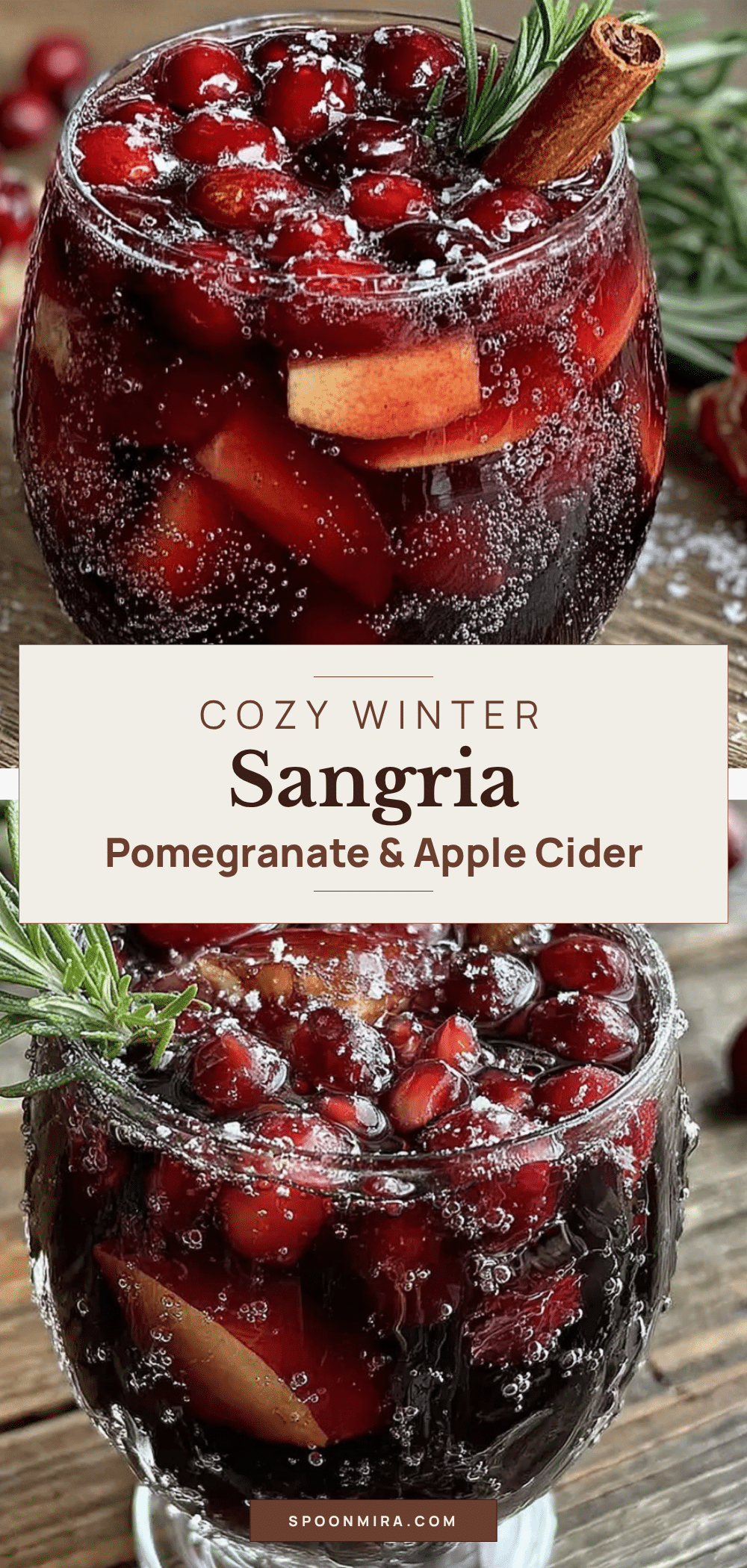
Easy Homemade Winter Sangria with Pomegranate
A cozy winter sangria with pomegranate and apple cider that tastes like sitting by the fire. This easy, make-ahead cocktail is perfect for holiday gatherings and family dinners.
- Prep Time: 10 minutes
- Cook Time: 5 minutes
- Total Time: 4 hours 15 minutes (includes chilling time)
- Yield: 6 servings 1x
- Category: Beverage
- Cuisine: American
Ingredients
- 1 bottle (750 ml) dry red wine (Merlot, Zinfandel, or Tempranillo)
- 2 cups apple cider (not apple juice)
- 1/2 cup pomegranate juice (100% pure)
- 1/4 cup honey (local preferred)
- 1 orange, sliced into rounds
- 1 apple (Honeycrisp, Fuji, or Granny Smith), cored and thinly sliced
- 1 cup fresh pomegranate seeds (about 1 large pomegranate)
- 3 cinnamon sticks (whole)
- 3 star anise pods (optional)
- 1/2 teaspoon whole cloves
- Ice cubes or apple cider ice cubes (for serving)
Instructions
- Warm the cider and spices: Pour 2 cups of apple cider into a small saucepan. Add honey, cinnamon sticks, star anise, and whole cloves. Warm over medium-low heat, stirring occasionally, until honey dissolves completely (about 5 minutes). Do not let it boil.
- Let the spices steep: Remove saucepan from heat and let the spiced cider sit for 10 to 15 minutes to infuse flavors.
- Strain the spiced cider: Pour warm cider through a fine-mesh strainer into a heatproof bowl or directly into a large pitcher. Discard spices (or save cinnamon sticks for garnish).
- Let the cider cool: Allow strained cider to cool to room temperature (about 20 minutes). Do not add wine until cider is cool.
- Combine the liquids: Once cider is cool, pour red wine into the pitcher. Add pomegranate juice. Stir gently with a wooden spoon.
- Add the fruit: Add orange slices, apple slices, and fresh pomegranate seeds to the pitcher. Stir gently to coat fruit.
- Chill thoroughly: Cover pitcher and refrigerate for at least 4 hours, preferably overnight.
- Serve over ice: Fill glasses with ice cubes (or apple cider ice cubes). Pour sangria over ice, ensuring each glass gets some fruit. Garnish with a fresh cinnamon stick or orange slice if desired.
Notes
For best results, let the sangria chill overnight. The fruit absorbs the flavors and becomes delicious. Make apple cider ice cubes to prevent dilution. Use a dry red wine to balance sweetness. The sangria keeps for up to 3 days in the refrigerator; strain out fruit after day 2.
Nutrition
- Serving Size: 6 ounces
- Calories: 190
- Sugar: 20
- Sodium: 10
- Carbohydrates: 24
- Fiber: 1
- Protein: 1
Keywords: winter sangria, pomegranate sangria, apple cider sangria, holiday cocktail, easy sangria recipe, red wine sangria, make-ahead cocktail