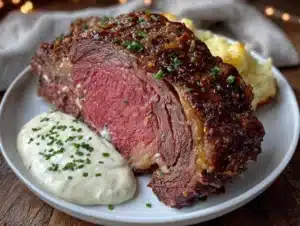
The potluck was in six hours and I’d completely forgotten. Everyone else would be bringing their showstoppers—my neighbor Karen had been braising short ribs for two days, and my coworker Dave was bringing a smoked brisket he’d been babysitting since 5 AM. I had a four-pound flat-cut brisket that was still half-frozen and a vague memory of seeing a recipe for something with onions. Honestly, I almost just grabbed a rotisserie chicken from the grocery store. But something made me dig that hunk of beef out of the freezer, set it in a sink of cool water, and start slicing onions. I was practically shaking my head the whole time—this was gonna be a disaster, right? Wrong. That slightly frantic, thrown-together brisket ended up being the dish people asked me for the recipe. The one Karen texted me about at 10 PM that night. The one where the onions had cooked down into this jammy, sweet, almost caramel-like situation, and the carrots were so tender they dissolved on your tongue. Maybe you’ve been there—the panic of needing a dish that looks like you planned it for days when you actually just panicked. This tender slow braised brisket with caramelized onions and carrots is that recipe. It’s the one that makes you look like a hero when you were really just scrambling.
Why You’ll Love This Recipe
Let me tell you, this isn’t just another brisket recipe. I’ve tested this thing about seven times now, tweaking the liquid ratio, the cook time, the temperature. My kitchen has smelled like caramelized onions for three straight weekends. And you know what? Every single time, it worked. This is the kind of recipe that builds your confidence in the kitchen.
- Incredibly Tender: The low-and-slow method breaks down the connective tissue until the brisket shreds with a fork. No chewy bites here.
- Simple Ingredients: You need a brisket, onions, carrots, garlic, broth, and a few pantry spices. That’s it. No fancy trips to a specialty store.
- Perfect for Entertaining: This dish feeds a crowd and actually gets better as it sits. Make it a day ahead for the best flavor.
- One-Pot Wonder: Everything braises in the same Dutch oven, which means less cleanup and more flavor melding.
- Unbelievably Flavorful: The onions melt into the braising liquid, creating a rich, savory sauce that coats every strand of beef.
What makes this different from the rest? It’s the caramelized onions. Most recipes just throw raw onions in with the meat. I take the extra twenty minutes to really cook them down first, and that step changes everything. It’s not just good—it’s the kind of meal that makes you close your eyes after the first bite. It’s comfort food that feels special, but it’s honestly not that hard to pull off.
What Ingredients You Will Need
This recipe uses simple, hearty ingredients to build deep, layered flavor. Most of these are probably already in your kitchen or pantry, which is part of the beauty of it.
For the Brisket
- 4-pound flat-cut brisket (look for good marbling; the fat renders and keeps the meat moist)
- 2 tablespoons kosher salt (I use Diamond Crystal; if using Morton’s, use a bit less)
- 1 tablespoon black pepper, freshly ground
- 2 tablespoons olive oil (or avocado oil for a higher smoke point)
For the Caramelized Onions and Vegetables
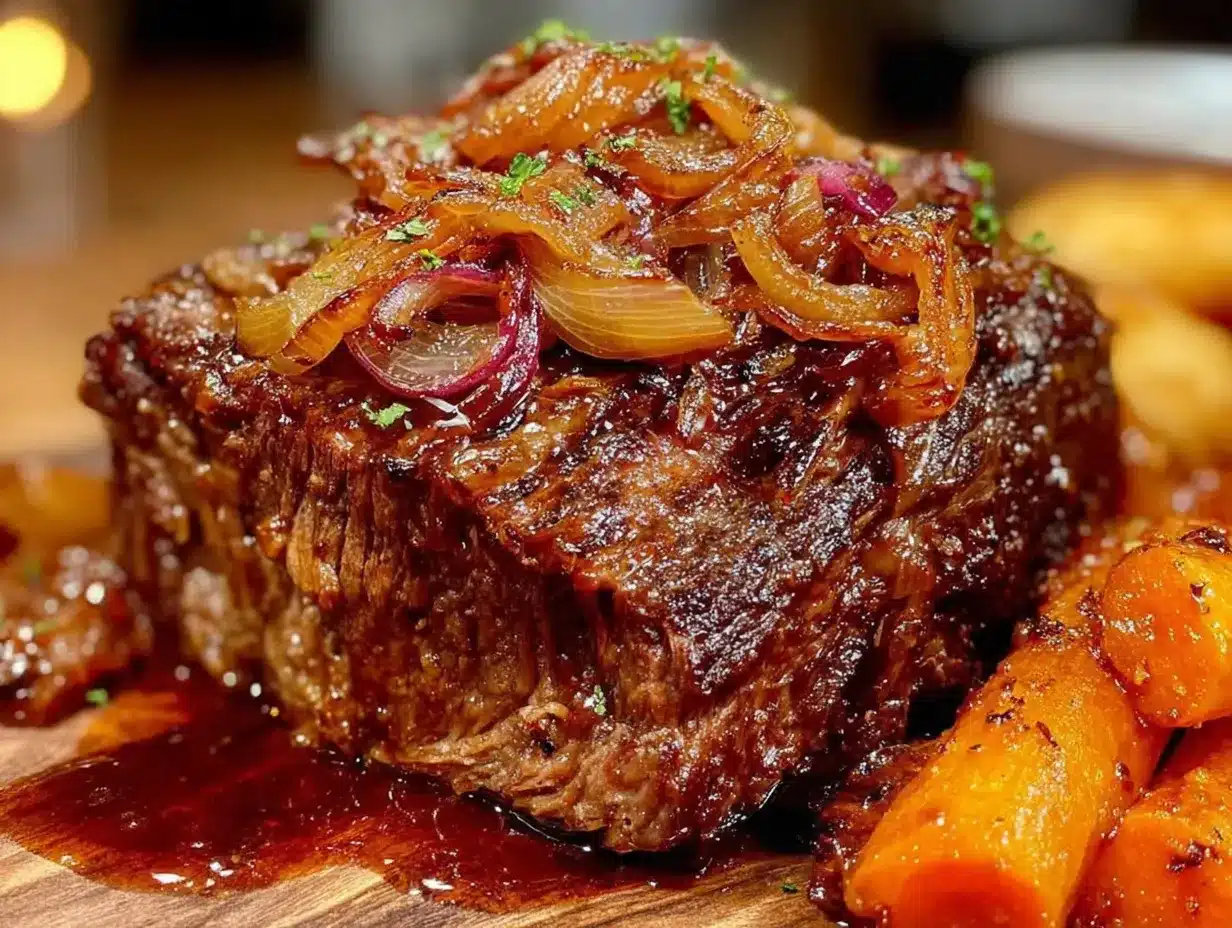
- 4 large yellow onions, thinly sliced (about 6 cups; sweet onions like Vidalia also work great)
- 6 large carrots, peeled and cut into 2-inch chunks
- 6 cloves garlic, smashed (don’t mince them; they’ll burn)
- 2 tablespoons unsalted butter (adds richness to the onions)
- 1 tablespoon fresh thyme leaves (or 1 teaspoon dried)
- 2 bay leaves
For the Braising Liquid
- 1 cup beef broth, low-sodium (I prefer Better Than Bouillon mixed with water for a richer flavor)
- 1 cup dry red wine (like a Cabernet or Merlot; don’t use cooking wine)
- 2 tablespoons tomato paste (adds umami and depth)
- 1 tablespoon Worcestershire sauce
Ingredient Tip: If you don’t drink wine, you can substitute with an additional cup of beef broth mixed with 1 tablespoon of balsamic vinegar for acidity. The flavor will be slightly different but still delicious. For a gluten-free version, ensure your Worcestershire sauce and broth are certified gluten-free—Lea & Perrins original is a safe bet.
Equipment Needed
You don’t need a lot of fancy gear for this, which is one of the things I love about it. The most important tool is a good, heavy pot.
- Dutch oven (5 to 6-quart size is ideal; I use a Lodge enameled one that wasn’t too expensive and has held up for years)
- Sharp chef’s knife (for slicing onions and carrots)
- Cutting board
- Tongs (for searing the brisket)
- Wooden spoon (for scraping up the browned bits)
- Foil or parchment paper (for a tight lid seal)
If you don’t have a Dutch oven, you can use a heavy-bottomed pot with a tight-fitting lid, or even a deep roasting pan covered tightly with foil. The key is even heat distribution and a good seal to trap steam. A cheap Dutch oven from a discount store works just fine—I started with one that cost $25 and it did the job perfectly.
Preparation Method
Take your time with this one. The active work is maybe 30 minutes, but the oven does the heavy lifting after that.
- Prep the Brisket (15 minutes before cooking): Pat the brisket dry with paper towels. This is crucial—a wet brisket won’t sear properly. Season generously on all sides with the kosher salt and black pepper. Let it sit at room temperature for about 30 minutes. This helps it cook more evenly.
- Sear the Brisket (10 minutes): Preheat your oven to 300°F (150°C). Heat the olive oil in your Dutch oven over medium-high heat until it shimmers. Carefully place the brisket in the pot, fat-side down. Don’t crowd it—if your brisket is too big, cut it in half. Sear for 4-5 minutes per side until a deep, dark brown crust forms. Use your tongs to hold the brisket on its edges to sear the sides too. Transfer the seared brisket to a plate. It should look gorgeous and smell like a steakhouse.
- Caramelize the Onions (20-25 minutes): Reduce the heat to medium. Add the butter to the pot. Once melted, add the sliced onions and a pinch of salt. Stir to coat them in the fond (those browned bits on the bottom of the pot). Cook, stirring occasionally, for about 20 minutes. The onions will go from translucent to golden to a deep, rich brown. Don’t rush this step—if they start to burn, add a splash of water. Scrape the bottom of the pot with your wooden spoon to release all that flavor.
- Build the Braising Base (5 minutes): Add the smashed garlic and cook for 1 minute until fragrant. Stir in the tomato paste and cook for another minute—it will darken and smell amazing. Pour in the red wine and scrape up every last bit of browned goodness from the pot. Let the wine simmer for 2 minutes to cook off the alcohol. Add the beef broth and Worcestershire sauce, stirring to combine.
- Assemble and Braise (3-4 hours): Nestle the seared brisket back into the pot, along with any juices that have collected on the plate. The liquid should come about halfway up the sides of the meat. Add the carrots, thyme, and bay leaves. Bring the liquid to a gentle simmer on the stovetop. Cover the pot with a piece of foil (this creates a better seal), then put the lid on top. Transfer to the preheated oven.
- Check for Doneness (After 3 hours): After 3 hours, check the brisket. It should be fork-tender—meaning you can insert a fork and twist it with almost no resistance. If it’s still tough, give it another 30-45 minutes. My personal experience: brisket is forgiving, so don’t panic if it takes a bit longer. Every cut of meat is different.
- Rest and Serve (15 minutes): Carefully remove the pot from the oven. Transfer the brisket to a cutting board and let it rest for 15 minutes. This lets the juices redistribute. While it rests, skim any excess fat from the surface of the braising liquid. Remove the bay leaves. Taste the sauce and adjust seasoning—you might want a pinch more salt or pepper.
- Slice Against the Grain: Slice the brisket against the grain into 1/2-inch thick slices. This is the secret to tenderness. Serve the slices on a platter, spoon the carrots around them, and ladle the rich onion sauce over the top.
Cooking Tips & Techniques
I’ve made every mistake in the book with brisket, so let me save you the trouble.
Don’t Skip the Searing: I once tried to save time by skipping the sear and just throwing the seasoned brisket into the liquid. The result was gray, flavorless meat. That browned crust is pure flavor. It’s non-negotiable.
The Onion Patience: Caramelizing onions takes longer than you think. Don’t crank up the heat to speed it up—you’ll burn them and get bitterness instead of sweetness. Medium heat, a little patience, and a wooden spoon are your friends. I usually put on a podcast for this step.
Low and Slow is the Law: The oven temperature of 300°F is perfect. Any higher and the meat will toughen up before the connective tissue has time to break down. Any lower and it takes forever. Trust the 300°F sweet spot.
Make it Ahead: This brisket is actually better the next day. The flavors meld and deepen overnight. Make it a day ahead, let it cool, refrigerate it in the pot, then skim the solidified fat off the top before reheating. Reheat gently in a 300°F oven for about 30 minutes.
My Biggest Failure: The first time I made this, I forgot to add the carrots until the last hour. They were still crunchy. Don’t be like me—add them at the beginning so they have time to get perfectly tender and soak up all that oniony goodness.
Variations & Adaptations
This recipe is a great base for experimentation. Here are a few ways I’ve switched it up.
- Beer Braised Brisket: Swap the red wine for a dark beer like a stout or a porter. The malty flavor pairs beautifully with the caramelized onions. I tried this with a Guinness once and it was fantastic—earthier and a little more robust.
- Herb Crusted Brisket: Before searing, rub the brisket with a mixture of dried rosemary, smoked paprika, and garlic powder in addition to the salt and pepper. It creates a fantastic crust and adds a smoky, aromatic layer.
- Root Vegetable Swap: If you don’t have carrots, use parsnips, turnips, or even chunks of celery root. They all hold up well to long braising and soak up the sauce beautifully. I did a mix of carrots and parsnips once and the sweetness was lovely.
- Slow Cooker Adaptation: Sear the brisket and caramelize the onions on the stovetop, then transfer everything to a slow cooker. Cook on low for 8-10 hours or on high for 4-5 hours. The texture will be slightly different (a bit more shreddy), but it’s still delicious.
Serving & Storage Suggestions
This brisket is a meal in itself, but it loves company on the plate.
Serving: Serve the sliced brisket hot, straight from the pot. I like to spoon the caramelized onions and carrots over the top and drizzle with a generous amount of the braising liquid. A sprinkle of fresh parsley or chives adds a nice pop of color. For sides, creamy mashed potatoes are the classic choice—they soak up the sauce perfectly. Buttered egg noodles or a simple polenta also work wonderfully. A side of roasted green beans or a crisp green salad with a vinaigrette cuts through the richness.
Storage: Leftover brisket keeps beautifully. Store it in an airtight container in the refrigerator for up to 4 days. The flavors actually get better as they meld. I often make this on a Sunday and eat it for lunches all week.
Reheating: The best way to reheat is gently. Place the brisket and sauce in a covered dish in a 300°F oven for about 15-20 minutes, until warmed through. You can also reheat it in a saucepan over low heat on the stovetop. Avoid the microwave—it can make the meat tough and the sauce separate.
Freezing: This brisket freezes wonderfully. Slice the cooled brisket and pack it in a freezer-safe container with plenty of the braising liquid. It will keep for up to 3 months. Thaw overnight in the refrigerator before reheating.
Nutritional Information & Benefits
While this is a comfort food dish, it does offer some nutritional perks.
Estimated per serving (based on 8 servings):
Calories: 480 | Protein: 45g | Fat: 28g | Carbohydrates: 15g | Fiber: 3g | Sugar: 8g | Sodium: 780mg
Beef brisket is a good source of high-quality protein, iron, and B vitamins, particularly B12, which supports energy and nervous system health. The carrots provide a hefty dose of vitamin A and antioxidants like beta-carotene. Onions, especially when caramelized, still retain some quercetin, a powerful anti-inflammatory compound. This isn’t a diet food, but it’s a nourishing, satisfying meal that fits into a balanced approach to eating. I feel good serving it to my family because I know exactly what’s in it—real food, no weird additives.
Dietary Considerations: This recipe is gluten-free (check your Worcestershire sauce and broth) and nut-free. To make it dairy-free, skip the butter and use olive oil for caramelizing the onions.
Conclusion
This tender slow braised brisket with caramelized onions and carrots is the kind of recipe that makes you look like a kitchen genius without actually being one. It’s forgiving, it’s flavorful, and it fills your home with the most incredible smell for hours. I love that it starts with a moment of panic and ends with people asking for seconds—and the recipe. Whether you’re making it for a holiday dinner, a Sunday supper, or just because you want something comforting and delicious, this brisket delivers. Don’t be afraid to make it your own—swap the herbs, change the vegetables, use beer instead of wine. The method is bulletproof. I’d love to hear how yours turns out. Drop a comment below or tag me in your photos—I genuinely get excited seeing these on other people’s tables. Happy cooking, friend.
Frequently Asked Questions
Can I use a different cut of beef for this recipe?
Yes, you can use chuck roast or bottom round roast. The cooking time may vary slightly—chuck roast is usually done in about the same time, while bottom round might need a bit longer. The key is to cook until fork-tender, regardless of the cut.
Do I have to use red wine?
Not at all. You can substitute with an equal amount of beef broth plus a tablespoon of balsamic vinegar or apple cider vinegar for acidity. The flavor will be slightly different but still rich and savory.
Why is my brisket tough?
It likely hasn’t cooked long enough. Brisket needs time for the connective tissue to break down. Return it to the oven and check every 20-30 minutes until it’s fork-tender. Also, make sure you sliced it against the grain.
Can I make this in a slow cooker?
Absolutely. Sear the brisket and caramelize the onions on the stovetop first, then transfer everything to a slow cooker. Cook on low for 8-10 hours or on high for 4-5 hours.
How do I get a thicker sauce?
After the brisket is done, remove it and the vegetables. Simmer the braising liquid on the stovetop over medium heat for 10-15 minutes to reduce and thicken. You can also whisk in a slurry of 1 tablespoon cornstarch mixed with 2 tablespoons cold water.
Pin This Recipe!
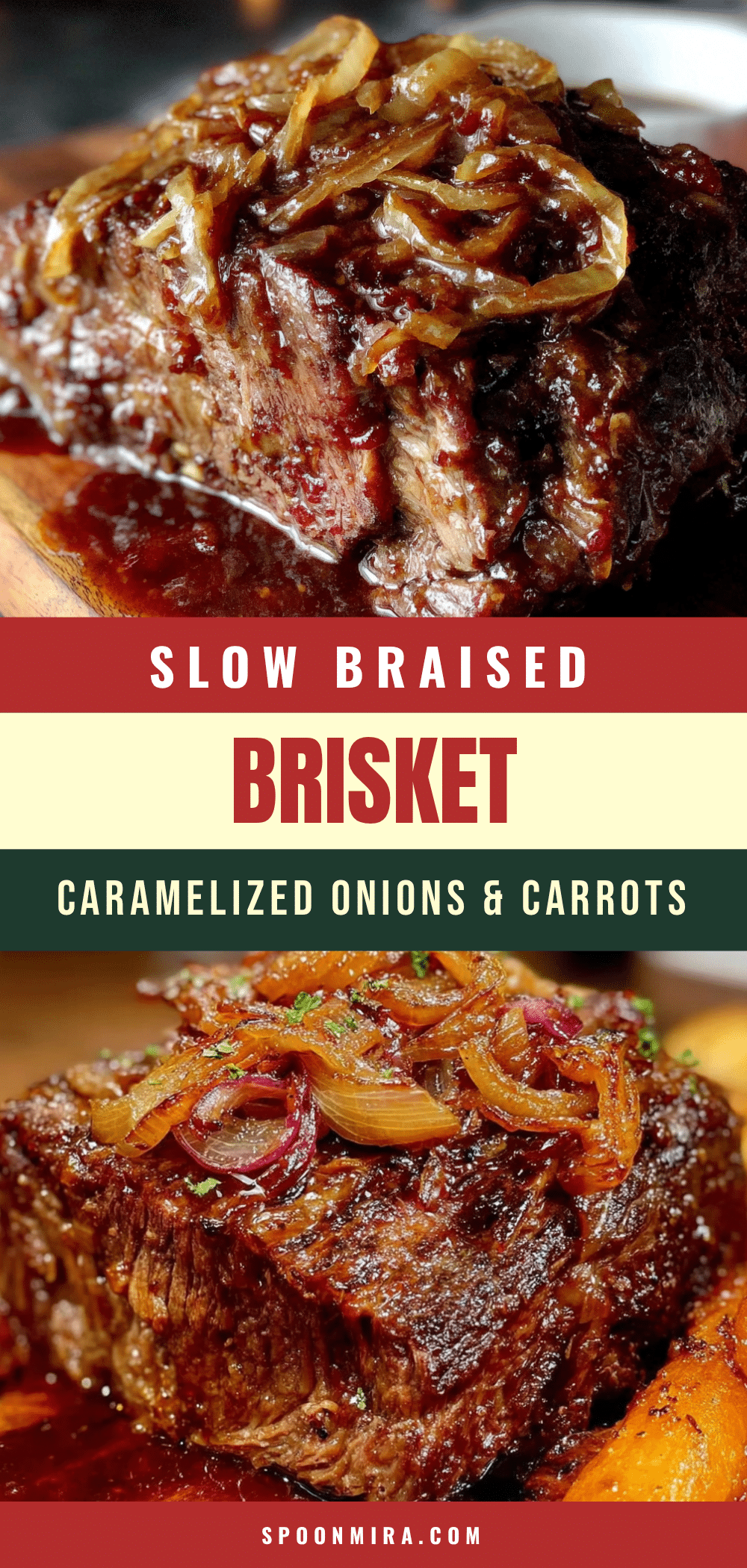
Tender Slow Braised Brisket with Caramelized Onions & Carrots
This tender slow braised brisket with caramelized onions and carrots is the recipe that makes you look like a hero when you were really just scrambling. It’s forgiving, flavorful, and fills your home with the most incredible smell for hours.
- Prep Time: 30 minutes
- Cook Time: 3 hours 30 minutes
- Total Time: 4 hours
- Yield: 8 servings 1x
- Category: Main Course
- Cuisine: American
Ingredients
- 4-pound flat-cut brisket
- 2 tablespoons kosher salt
- 1 tablespoon black pepper, freshly ground
- 2 tablespoons olive oil
- 4 large yellow onions, thinly sliced (about 6 cups)
- 6 large carrots, peeled and cut into 2-inch chunks
- 6 cloves garlic, smashed
- 2 tablespoons unsalted butter
- 1 tablespoon fresh thyme leaves (or 1 teaspoon dried)
- 2 bay leaves
- 1 cup beef broth, low-sodium
- 1 cup dry red wine (like Cabernet or Merlot)
- 2 tablespoons tomato paste
- 1 tablespoon Worcestershire sauce
Instructions
- Prep the Brisket: Pat the brisket dry with paper towels. Season generously on all sides with kosher salt and black pepper. Let it sit at room temperature for about 30 minutes.
- Sear the Brisket: Preheat your oven to 300°F (150°C). Heat olive oil in a Dutch oven over medium-high heat until shimmering. Sear the brisket for 4-5 minutes per side until a deep, dark brown crust forms. Transfer to a plate.
- Caramelize the Onions: Reduce heat to medium. Add butter to the pot. Once melted, add sliced onions and a pinch of salt. Cook, stirring occasionally, for about 20 minutes until deep golden brown. Scrape the bottom of the pot to release flavor.
- Build the Braising Base: Add smashed garlic and cook for 1 minute. Stir in tomato paste and cook for another minute. Pour in red wine and scrape up browned bits. Let simmer for 2 minutes. Add beef broth and Worcestershire sauce, stirring to combine.
- Assemble and Braise: Nestle the seared brisket back into the pot along with any juices. Add carrots, thyme, and bay leaves. Bring to a gentle simmer. Cover the pot with foil, then the lid. Transfer to the preheated oven.
- Check for Doneness: After 3 hours, check the brisket. It should be fork-tender. If still tough, give it another 30-45 minutes.
- Rest and Serve: Carefully remove the pot from the oven. Transfer brisket to a cutting board and let rest for 15 minutes. Skim excess fat from the braising liquid. Remove bay leaves. Taste and adjust seasoning.
- Slice Against the Grain: Slice the brisket against the grain into 1/2-inch thick slices. Serve on a platter with carrots and ladle the onion sauce over the top.
Notes
Don’t skip the searing—it’s non-negotiable for flavor. Caramelizing onions takes patience; medium heat and a wooden spoon are your friends. The brisket is actually better the next day—make it ahead for deeper flavor. For a thicker sauce, simmer the braising liquid on the stovetop for 10-15 minutes after removing the meat and vegetables.
Nutrition
- Serving Size: 1 serving
- Calories: 480
- Sugar: 8
- Sodium: 780
- Fat: 28
- Saturated Fat: 10
- Carbohydrates: 15
- Fiber: 3
- Protein: 45
Keywords: brisket, slow braised, caramelized onions, carrots, comfort food, one-pot, gluten-free