It was 11:47 PM on a particularly drizzly Tuesday in October, and I had a very specific, almost aggressive craving for mac and cheese. But not just any mac and cheese. I wanted the kind that feels like a hug from the inside out. I didn’t have a block of cheddar or any of the usual suspects for a classic, heavy sauce. But I did have a single, lonely butternut squash sitting on the counter from a failed soup plan, a few sprigs of sage that were starting to look a little sad, and the wild, sleep-deprived idea that maybe—just maybe—squash could be the cheese. The rain was tapping against the window, the house was dead silent, and I was standing there in my pajamas, feeling like a mad scientist about to blend a vegetable into my comfort food. Honestly, it felt a little unhinged. But there, in the quiet of a late night, this cozy butternut squash mac and cheese with crispy sage was born.
I remember the first bite so clearly. I was skeptical, I mean, really skeptical. I’d pureed the roasted squash with some milk, garlic, and a little bit of the pasta water, hoping it would turn into something creamy. And it did—but it was missing that savory, umami punch. So, I added a pinch of nutmeg (a classic move) and a hefty spoonful of Dijon mustard. That was the secret. That little tangy kick tricked my brain into thinking there was cheese in there. The crispy sage leaves on top were the final, glorious touch—they shattered into little salty, herbaceous bits that made every single bite different. I stood at the counter, eating straight from the pot, and I knew I had accidentally made something I’d be making for years.
Maybe you’ve been there, standing in your kitchen late at night, wanting something deeply satisfying but not wanting to run to the store. This recipe is for that exact moment. It’s for the nights when you need comfort, fast, and you don’t want to compromise on flavor. This isn’t a sad, healthy version of mac and cheese. It’s a genuinely delicious, creamy, and surprisingly rich dish that just happens to have a vegetable as its base. Let me tell you, this is the recipe that stays with you, and I keep making it because it feels like a secret weapon.
Why You’ll Love This Recipe
This butternut squash mac and cheese is the kind of recipe that feels like a triumph. It’s not just another pasta dish; it’s a bowl of pure, unadulterated comfort that you can feel good about eating. After testing this about four times (and failing the first two), I can confidently say this version is the one. It’s the perfect balance of creamy, savory, and a little bit nutty from the sage.
- Quick & Easy: This whole dish comes together in about 30 minutes. Roasting the squash is the longest part, but you can even do that ahead of time. It’s perfect for a busy weeknight when you need something fast but refuse to eat a sad salad.
- Simple Ingredients: You probably already have most of this stuff. No fancy cheese cave visits required. The base is a humble butternut squash, and the magic happens with pantry staples like mustard and nutmeg.
- Perfect for Cozy Nights: This is your go-to for a rainy Tuesday, a chilly Sunday dinner, or a post-Thanksgiving leftover meal. It screams “autumn” and “hunker down” in the best way possible.
- Crowd-Pleaser: I’ve served this to picky kids and skeptical adults. Everyone goes back for seconds. The squash adds a sweetness and creaminess that is universally loved, and the crispy sage on top is a total showstopper.
- Unbelievably Delicious: The texture is velvety smooth, not grainy or watery. The flavor is complex—sweet from the squash, savory from the garlic and mustard, and earthy from the sage. It’s next-level comfort food that doesn’t taste “healthy” at all.
What makes this recipe different from all the other butternut squash mac recipes out there? It’s the technique. I don’t just boil the squash and blend it. I roast it first to caramelize the sugars, which gives the sauce a deep, rich flavor that you can’t get any other way. Then, I finish it with a touch of Dijon mustard and a pinch of cayenne for a subtle kick. It’s not just another version—it’s my best version, perfected after a few late-night kitchen experiments. This recipe is the kind that makes you close your eyes after the first bite. It’s comfort food reimagined—healthier, faster, but with the same soul-soothing satisfaction. Perfect for impressing guests without stress, or turning a simple Tuesday into something memorable.
What Ingredients You Will Need
This recipe uses simple, wholesome ingredients to deliver bold flavor and satisfying texture without the fuss. Most of these are pantry staples or easy to find at any grocery store. The star of the show is, of course, the butternut squash, which creates a silky, naturally sweet sauce that mimics the richness of a cheese sauce.
- For the Squash Sauce:
- 1 medium butternut squash (about 2-3 lbs), peeled, seeded, and cubed into 1-inch pieces. (Look for one that feels heavy for its size—that means it’s fresh and moist.)
- 2 tablespoons olive oil, for roasting. (I prefer a light, fruity olive oil here, like a California Olive Ranch.)
- 3 cloves garlic, whole and unpeeled. (Roasting them whole mellows out the sharpness and adds a sweet, buttery flavor.)
- 1 cup vegetable broth (or chicken broth, if you’re not keeping it vegetarian).
- 1/2 cup milk (whole milk or 2% works best for creaminess; you can use unsweetened almond milk for a dairy-free option).
- 1 tablespoon Dijon mustard (this is the secret ingredient—it adds tang and depth that tricks the palate into thinking there’s cheese).
- 1/2 teaspoon ground nutmeg (freshly grated is amazing, but pre-ground works just fine).
- 1/4 teaspoon cayenne pepper (optional, but it adds a lovely warmth without being spicy).
- Salt and freshly ground black pepper, to taste.
- For the Pasta:
- 8 ounces (about 2 cups) pasta (I love using cavatappi or shells—their curves and ridges grab the sauce perfectly).
- For the Crispy Sage Topping:
- 2 tablespoons unsalted butter (or vegan butter for a dairy-free version).
- 10-12 fresh sage leaves (look for leaves that are vibrant green and not wilted).
- 1/4 cup panko breadcrumbs (optional, for a crunchy topping).
- 1/4 cup grated Parmesan cheese (optional, but adds a lovely salty, nutty finish; use a vegetarian rennet-free Parmesan if needed).
Ingredient Selection Tips: When picking a butternut squash, choose one with a long, straight neck—it’s easier to peel and has fewer seeds. I recommend using a good quality vegetable broth, like homemade vegetable broth, for the best flavor. For the sage, fresh is a must here—dried sage won’t crisp up the same way. If you don’t have Dijon mustard, you can substitute with a teaspoon of yellow mustard and a splash of apple cider vinegar.
Equipment Needed
You don’t need a ton of fancy equipment to make this recipe, which is part of its charm. Here’s what you’ll need:
- Baking Sheet: A rimmed baking sheet is perfect for roasting the squash. I’ve used a cheap one for years, and it works fine. Just line it with parchment paper for easy cleanup.
- Large Pot: You’ll need one for boiling the pasta and another for making the sauce (or you can be efficient and reuse the pasta pot).
- Blender or Food Processor: This is essential for making the sauce silky smooth. An immersion blender works too, but you’ll need to transfer the squash to a tall container first. I prefer a high-speed blender like a Vitamix for the smoothest result.
- Skillet: A small non-stick or cast-iron skillet is perfect for crisping the sage leaves and toasting the breadcrumbs.
- Chef’s Knife and Cutting Board: For prepping the squash. A sharp knife makes peeling and cubing a butternut squash much less of a workout.
- Wooden Spoon or Spatula: For stirring the sauce and pasta.
Budget-Friendly Tip: If you don’t have a blender, you can mash the roasted squash with a potato masher until fairly smooth. It won’t be as velvety, but it’ll still be delicious. A food processor is a great alternative if you have one.
Preparation Method
Let’s get cooking! This recipe moves quickly, so it’s a good idea to have all your ingredients prepped and ready to go before you start. I call this “mise en place,” which is just a fancy way of saying “don’t burn the garlic.”
- Preheat and Prep the Squash: Preheat your oven to 400°F (200°C). On your baking sheet, toss the cubed butternut squash with the olive oil, a good pinch of salt, and a few cracks of black pepper. Spread it out in a single layer. Nestle the whole, unpeeled garlic cloves in among the squash pieces. Roast for 20-25 minutes, or until the squash is tender and easily pierced with a fork. The edges should be just starting to brown and caramelize—this is where the flavor is!
- Cook the Pasta: While the squash roasts, bring a large pot of generously salted water to a rolling boil. Add your pasta and cook according to the package directions until al dente. (Al dente means it still has a little bite—it will continue to cook slightly in the sauce later.) Before you drain the pasta, reserve about 1 cup of the starchy pasta water. This is liquid gold for the sauce. Drain the pasta and set it aside.
- Make the Creamy Squash Sauce: Once the squash is roasted and slightly cooled, squeeze the roasted garlic cloves out of their skins (they should pop right out). Transfer the roasted squash and garlic to your blender. Add the vegetable broth, milk, Dijon mustard, nutmeg, and cayenne pepper (if using). Blend on high until completely smooth and velvety. If the sauce is too thick, add a splash of the reserved pasta water to thin it out. Taste and adjust the salt and pepper. Remember, the pasta water is salty, so go easy on the salt at this stage.
- Crisp the Sage and Topping: In a small skillet, melt the butter over medium heat. Once it’s bubbling, add the sage leaves in a single layer. Fry for about 30-60 seconds per side, until they turn a darker green and become crispy. They will crisp up more as they cool. Transfer them to a paper towel-lined plate. If you’re using the panko and Parmesan, add them to the same skillet (with the remaining butter) and toast for 2-3 minutes until golden brown. Set aside.
- Combine and Serve: In the large pot you used for the pasta (drained and wiped dry), pour in the squash sauce. Add the cooked pasta and stir to coat everything evenly. If the sauce seems too thick, add a little more reserved pasta water, one tablespoon at a time, until it reaches your desired consistency. The sauce will thicken as it sits, so don’t be shy with the pasta water. Serve immediately in bowls, topped with the crispy sage leaves and the toasted panko-Parmesan mixture.
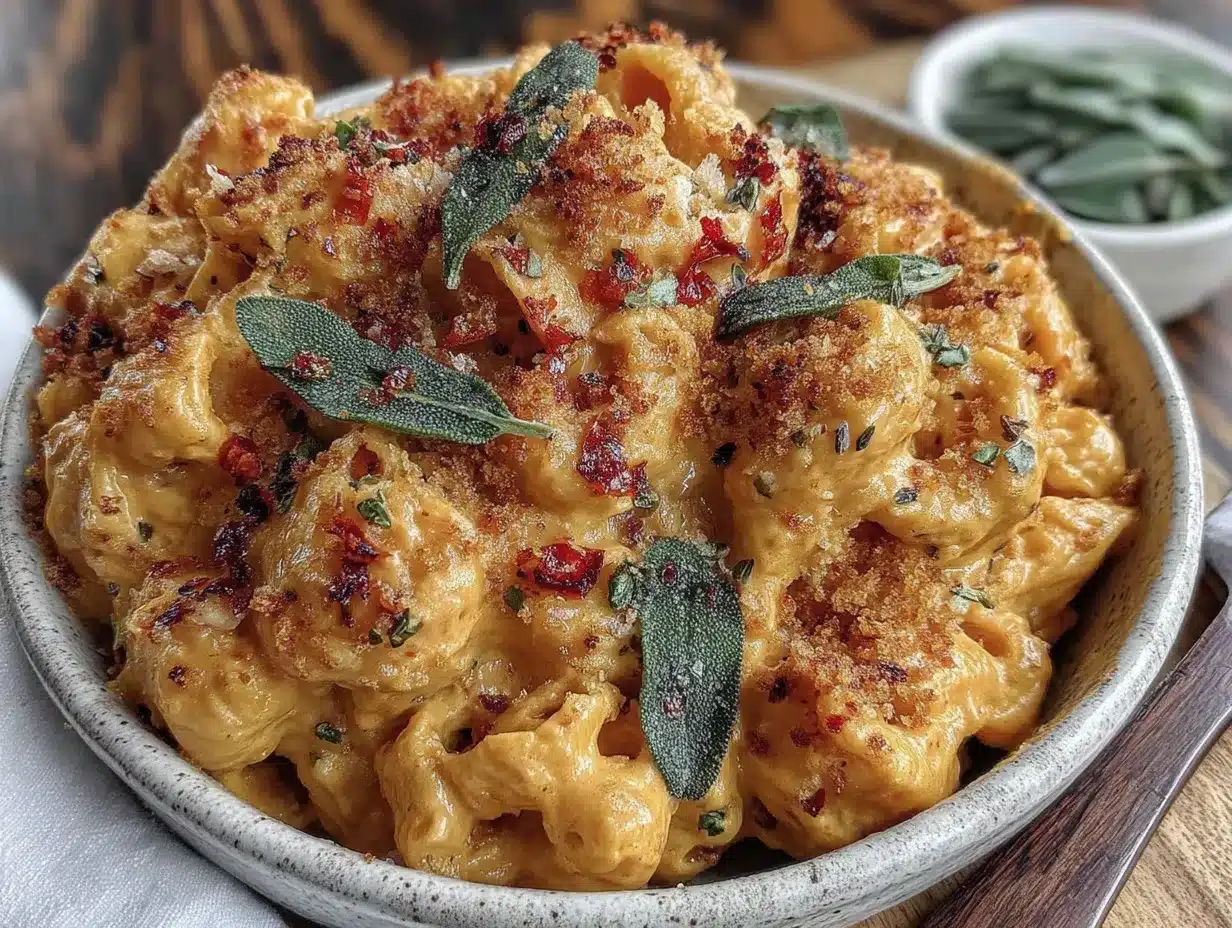
Sensory Cue: At step 3, your sauce should look like a thick, creamy butternut soup—a beautiful, vibrant orange. It should smell sweet and nutty from the roasted squash and garlic, with a hint of warmth from the nutmeg. When you combine it with the pasta in step 5, the sauce should cling to every curve of the pasta, creating a luxurious, glossy finish.
Cooking Tips & Techniques
After making this a few times (and messing up the first batch—I didn’t roast the squash long enough, and the sauce was watery), I’ve learned a few tricks that make all the difference.
- Don’t Skip Roasting: I know it’s tempting to just boil the squash to save time, but don’t. Roasting caramelizes the natural sugars in the squash, which gives the sauce a deep, rich, almost nutty flavor. Boiling just makes it watery and bland. Trust me on this one.
- Reserve That Pasta Water: This is a cardinal rule of pasta-making. The starchy water is the key to a silky, emulsified sauce that clings to the pasta. If you forget to reserve it, you’ll have a thin, watery sauce. Just do it.
- Don’t Overcook the Sage: Sage leaves can go from perfectly crispy to burnt in a matter of seconds. Keep a close eye on them in the skillet. They are done when they turn a slightly darker shade of green and look a bit translucent. They will crisp up further as they cool on the paper towel.
- Season in Layers: Salt the squash before roasting, salt the pasta water generously (it should taste like the sea), and then season the sauce at the end. This builds flavor from the ground up, rather than trying to fix a bland dish at the last minute.
- Troubleshooting a Thin Sauce: If your sauce comes out too thin, don’t panic. You can either simmer it in the pot for a few minutes to reduce and thicken it, or you can stir in a tablespoon of all-purpose flour or cornstarch slurry (mixed with a little cold water). But honestly, roasting the squash properly usually prevents this issue.
One of my own cooking failures was the time I tried to use a cheap, pre-cut butternut squash from the store. It was dry and stringy, and the sauce turned out grainy. Now, I always buy a whole squash and roast it myself. The texture is incomparably better.
Variations & Adaptations
This recipe is a fantastic base for experimentation. Here are a few ways to make it your own:
- Make It Vegan: This is super easy. Use olive oil or vegan butter for the sage, a plant-based milk like oat or cashew milk, and skip the Parmesan. The sauce is already dairy-free, so it’s a simple swap.
- Add Some Protein: For a heartier meal, stir in some shredded rotisserie chicken, cooked Italian sausage, or crispy bacon bits right before serving. I’ve tried it with leftover roasted chicken, and it was fantastic.
- Spice It Up: If you like a little heat, add a pinch more cayenne pepper, or stir in a teaspoon of smoked paprika. A few drops of your favorite hot sauce at the end is also a great move.
- Different Pasta Shapes: While I love cavatappi, this sauce works beautifully with any short pasta. Try it with shells, rotini, penne, or even orecchiette. For a gluten-free option, use your favorite gluten-free pasta—just be careful not to overcook it.
- Roasted Veggie Boost: Fold in a cup of roasted broccoli, cauliflower, or kale at the end. It adds more texture and nutrients. I once added roasted Brussels sprouts, and it was a game-changer.
- Nutty Twist: Swap the panko topping for 1/4 cup of toasted walnuts or pecans, roughly chopped. They add a wonderful crunch and earthy flavor that pairs perfectly with the sage and squash.
Serving & Storage Suggestions
This mac and cheese is best served immediately, while it’s hot and the sauce is at its creamiest. The crispy sage leaves are at their peak crunchiness right out of the pan, so don’t wait too long to add them.
- Serving Temperature: Serve it piping hot. I like to spoon it into wide, shallow bowls so the sauce doesn’t pool too much.
- Presentation: A generous sprinkle of the crispy sage and toasted panko on top is all you need. A final crack of black pepper and a tiny pinch of flaky sea salt (like Maldon) right before serving really makes the flavors pop.
- Perfect Pairings: This dish is a meal on its own, but it goes beautifully with a simple side salad dressed with a tangy vinaigrette to cut the richness. A glass of dry Riesling or a light, crisp cider is a lovely drink pairing. It’s also the perfect side dish for a roast chicken or a holiday turkey.
- Storage: Store leftovers in an airtight container in the refrigerator for up to 4 days. The sauce will thicken significantly as it cools and the pasta absorbs the liquid.
- Reheating: The best way to reheat this is on the stovetop. Add a splash of milk or broth to loosen the sauce, and warm it over medium-low heat, stirring frequently, until heated through. You can also microwave it in 30-second bursts, stirring in between, but it won’t be as creamy. The crispy sage will lose its crunch after storage, so it’s best to make fresh sage for leftovers.
Flavor Development: Honestly, the leftovers are sometimes even better the next day. The flavors have a chance to meld together, and the squash sauce seems to get even richer overnight. Just be sure to add that splash of liquid when reheating.
Nutritional Information & Benefits
While I wouldn’t call this a “health food,” it’s certainly a healthier take on a classic comfort dish. The nutritional values below are estimates for one serving (about 1.5 cups) and will vary based on specific ingredients used.
- Estimated Values per Serving: Calories: 420, Fat: 14g, Carbohydrates: 65g, Fiber: 8g, Protein: 12g.
- Health Benefits: Butternut squash is a fantastic source of Vitamin A (great for your eyes and immune system) and fiber. It’s also packed with antioxidants. By using squash as the base of the sauce, you’re significantly reducing the saturated fat and calories compared to a traditional cheese sauce, while adding a ton of vitamins and minerals.
- Dietary Considerations: This recipe is naturally vegetarian and can easily be made vegan and dairy-free (as noted in the variations). It is gluten-free if you use gluten-free pasta and panko. The main potential allergen to be aware of is gluten (in the pasta) and dairy (in the butter and Parmesan, if used).
- Personal Perspective: I love that I can feed this to my family and feel good about it. It’s not about deprivation; it’s about making a smarter choice that doesn’t sacrifice an ounce of flavor. It’s the kind of meal that proves healthy eating can be just as indulgent and satisfying as the “real” thing.
Conclusion
This cozy butternut squash mac and cheese with crispy sage is more than just a recipe—it’s a revelation. It’s proof that you can have a bowl of unbelievably creamy, savory, and satisfying comfort food on the table in 30 minutes, without relying on a block of processed cheese. The velvety sauce, the al dente pasta, and the pop of flavor from the crispy sage come together to create a dish that feels both familiar and excitingly new.
I really hope you give this one a try. Don’t be afraid to make it your own—add a little extra cayenne if you like heat, throw in some leftover chicken, or swap the pasta for whatever you have in the pantry. The beauty of this recipe is its flexibility. It’s become a staple in my kitchen, especially during the fall and winter months, and I have a feeling it will become one in yours, too.
If you make this recipe, I’d love to hear about it! Leave a comment below and let me know how it turned out. Did you make any fun substitutions? Did your family love it? Share a photo if you have one—I love seeing your creations. And if you’re looking for another cozy, vegetable-forward pasta dish, you might enjoy my creamy tomato basil pasta or this one-pot lemon ricotta pasta. Happy cooking!
Frequently Asked Questions
Can I use frozen butternut squash instead of fresh?
Yes, you can! Frozen butternut squash works in a pinch. However, you won’t get the same caramelized flavor from roasting, and the sauce might be a bit more watery. To compensate, roast the frozen squash for an extra 10 minutes, and don’t add any extra liquid to the blender until you see how the sauce looks.
Can I make this recipe ahead of time?
Absolutely. You can make the sauce and cook the pasta up to 2 days in advance. Store them separately in the fridge. When you’re ready to serve, reheat the sauce on the stovetop with a splash of milk, then toss with the reheated pasta. Make the crispy sage fresh right before serving.
My sauce turned out grainy. What went wrong?
A grainy sauce is usually the result of undercooked squash or not blending it enough. Make sure your squash is very tender (easily pierced with a fork) before blending. Also, blend the sauce on high for a full 60 seconds to ensure it’s completely smooth. A high-speed blender really helps here.
Can I add real cheese to this recipe?
Of course! If you want to add some cheese, I recommend stirring in 1/2 cup of shredded sharp cheddar or Gruyère into the finished sauce. It will make it even richer and more decadent. Just remember that this will change the nutritional profile and add dairy.
I don’t have sage. Can I use another herb?
Yes, while sage is the classic pairing with butternut squash, you can substitute it with fresh thyme or rosemary. The flavor will be different, but still delicious. If using rosemary, chop it very finely so it’s not too woody. You can also just skip the crispy herb topping and use toasted panko and Parmesan for crunch.
Pin This Recipe!

Cozy Butternut Squash Mac and Cheese with Crispy Sage: Easy 30-Min Recipe

A creamy, savory, and surprisingly rich mac and cheese made with roasted butternut squash as the base, topped with crispy sage leaves. Ready in 30 minutes, this comforting dish is perfect for busy weeknights and cozy autumn evenings.
- Prep Time: 10 minutes
- Cook Time: 20 minutes
- Total Time: 30 minutes
- Yield: 4 servings 1x
- Category: Main Course
- Cuisine: American
Ingredients
- 1 medium butternut squash (about 2–3 lbs), peeled, seeded, and cubed into 1-inch pieces
- 2 tablespoons olive oil
- 3 cloves garlic, whole and unpeeled
- 1 cup vegetable broth (or chicken broth)
- 1/2 cup milk (whole milk or 2%; unsweetened almond milk for dairy-free)
- 1 tablespoon Dijon mustard
- 1/2 teaspoon ground nutmeg
- 1/4 teaspoon cayenne pepper (optional)
- Salt and freshly ground black pepper, to taste
- 8 ounces (about 2 cups) pasta (cavatappi or shells recommended)
- 2 tablespoons unsalted butter (or vegan butter)
- 10–12 fresh sage leaves
- 1/4 cup panko breadcrumbs (optional)
- 1/4 cup grated Parmesan cheese (optional; use vegetarian rennet-free if needed)
Instructions
- Preheat oven to 400°F (200°C). On a baking sheet, toss cubed butternut squash with olive oil, salt, and pepper. Spread in a single layer and nestle whole garlic cloves among the squash. Roast for 20-25 minutes until tender and edges are lightly browned.
- While squash roasts, bring a large pot of salted water to a boil. Cook pasta according to package directions until al dente. Reserve 1 cup of pasta water before draining. Drain pasta and set aside.
- Once squash is roasted and slightly cooled, squeeze roasted garlic cloves out of their skins. Transfer squash and garlic to a blender. Add vegetable broth, milk, Dijon mustard, nutmeg, and cayenne (if using). Blend on high until completely smooth. If too thick, add a splash of reserved pasta water. Season with salt and pepper to taste.
- In a small skillet, melt butter over medium heat. Add sage leaves in a single layer and fry for 30-60 seconds per side until darker green and crispy. Transfer to a paper towel-lined plate. If using panko and Parmesan, add to the same skillet and toast for 2-3 minutes until golden brown.
- In the large pot used for pasta, pour in the squash sauce. Add cooked pasta and stir to coat evenly. If sauce is too thick, add reserved pasta water one tablespoon at a time until desired consistency. Serve immediately in bowls, topped with crispy sage leaves and toasted panko-Parmesan mixture.
Notes
Roasting the squash is essential for caramelized flavor; do not skip. Reserve pasta water for a silky sauce. Sage leaves can burn quickly, so watch them closely. Leftovers keep in the fridge for up to 4 days; reheat with a splash of milk or broth.
Nutrition
- Serving Size: 1.5 cups
- Calories: 420
- Sugar: 10
- Sodium: 480
- Fat: 14
- Saturated Fat: 5
- Carbohydrates: 65
- Fiber: 8
- Protein: 12
Keywords: butternut squash mac and cheese, healthy mac and cheese, 30 minute dinner, vegetarian pasta, fall comfort food, crispy sage